

How to choose the right size of polyester safety belt?
When it comes to safety, a polyester safety belt is an essential accessory in various applications, from automotive to industrial use. As a reliable polyester safety belt supplier, I understand the significance of choosing the right size for optimal safety and comfort. In this blog post, I'll share some valuable insights on how to select the appropriate size of polyester safety belt for different scenarios.
Understanding the Basics of Polyester Safety Belts
Polyester safety belts are known for their durability, strength, and resistance to wear and tear. They are commonly used in cars, trucks, buses, and other vehicles, as well as in industrial settings such as construction sites and factories. The material's high tensile strength makes it capable of withstanding significant forces during sudden stops or impacts, providing crucial protection for the user.
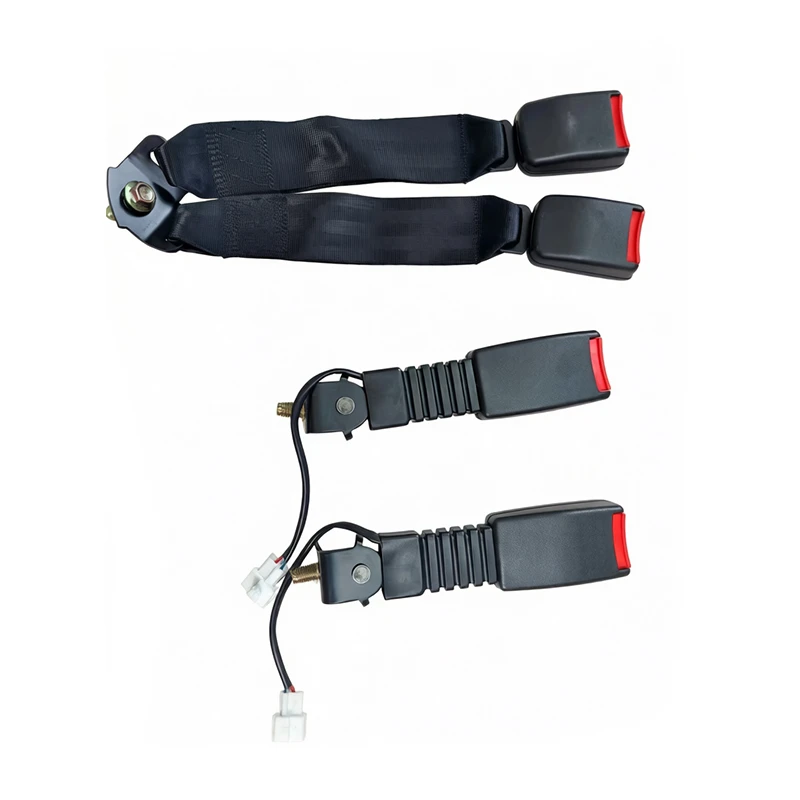
Before diving into the size selection process, it's important to understand the different types of safety belts available. Some common types include Seatbelts for Cars, Rear Seat Belt in Car, Built in Seat Belt, and Yellow Safety Belt. Each type is designed for specific applications and may have different sizing requirements.

Factors to Consider When Choosing the Right Size
1. User's Body Size
The most important factor in choosing the right size of polyester safety belt is the user's body size. A safety belt that is too tight can be uncomfortable and may even restrict breathing, while a belt that is too loose may not provide adequate protection during an accident. To determine the appropriate size, measure the user's waist or chest circumference, depending on the type of safety belt. For seat belts in cars, the standard length usually ranges from 36 inches to 60 inches. For industrial safety belts, the size may vary depending on the job requirements and the user's body build.
2. Application and Usage
The application and usage of the safety belt also play a crucial role in size selection. For example, if you are using a safety belt in a car, you need to ensure that it is compatible with the vehicle's seat belt system. Some cars may have specific requirements for the length and width of the seat belt. In industrial settings, the safety belt may need to be adjusted to fit over work clothes or equipment. Consider the working environment and the specific tasks that the user will be performing when choosing the size.
3. Adjustability
An adjustable safety belt is often a better choice as it allows for a customized fit. Many polyester safety belts come with adjustable buckles or straps that can be easily tightened or loosened to accommodate different body sizes. This feature is particularly useful in situations where multiple users may be sharing the same safety belt.
4. Safety Standards
It's essential to choose a safety belt that meets relevant safety standards. In the automotive industry, seat belts are required to comply with strict safety regulations to ensure maximum protection for passengers. Look for safety belts that are certified by recognized organizations such as the National Highway Traffic Safety Administration (NHTSA) in the United States. In industrial applications, safety belts should meet standards set by organizations like the Occupational Safety and Health Administration (OSHA).
Sizing Guidelines for Different Types of Polyester Safety Belts
Car Seat Belts
For car seat belts, the length is typically measured from the buckle to the end of the belt. As mentioned earlier, the standard length for most car seat belts is between 36 inches and 60 inches. However, it's important to check the vehicle's owner's manual for specific sizing requirements. In some cases, you may need to adjust the seat position or the belt's retractor to ensure a proper fit.
When installing a Seatbelts for Cars, make sure that the belt lies flat across the user's lap and shoulder without any twists or kinks. The lap belt should be positioned low on the hips, while the shoulder belt should cross the center of the chest. Avoid wearing the shoulder belt under the arm, as this can significantly reduce its effectiveness.
Rear Seat Belts in Cars
Rear Seat Belt in Car sizing is similar to that of front seat belts. However, rear seats may have different configurations, such as bench seats or individual seats, which can affect the fit of the safety belt. In some cases, rear seat belts may be shorter or have different attachment points compared to front seat belts. Make sure to measure the available space and the user's body size to choose the right size.
Industrial Safety Belts
In industrial settings, safety belts are used to protect workers from falls and other hazards. The size of an industrial safety belt depends on the type of work being performed and the user's body size. For general-purpose safety belts, the length is usually adjustable to accommodate different users. In some cases, specialty safety belts may be required for specific tasks, such as climbing safety belts or harnesses. These belts may have additional features and sizing requirements.
Measuring for the Right Size
To ensure a proper fit, it's recommended to measure the user's body size accurately. Here's a step-by-step guide on how to measure for a polyester safety belt:
- Waist or Chest Measurement: For seat belts that go around the waist, measure the circumference of the user's waist at the level where the belt will be worn. For safety belts that go across the chest, measure the circumference of the chest at the fullest point.
- Length Measurement: If you are replacing a safety belt, measure the existing belt from the buckle to the end. Make sure to include any adjustments or extensions. If you are purchasing a new safety belt, consider the available space and the user's range of motion to determine the appropriate length.
- Width Measurement: The width of a safety belt can also affect its comfort and effectiveness. Most safety belts have a standard width of 1.5 inches to 2 inches. However, wider belts may provide more support and comfort, especially for users with larger body sizes or in applications where significant forces are involved.
Testing and Trying Out the Safety Belt
Once you have selected a polyester safety belt based on the size and other factors, it's important to test it before use. Put on the safety belt and adjust it to fit your body comfortably. Make sure that the belt is not too tight or too loose and that it allows for a full range of motion. Check the buckle and other attachment points to ensure that they are secure and functioning properly.
In a car, test the seat belt by clamping it in place and giving it a gentle tug. The belt should lock in place and hold you securely. If you are using an industrial safety belt, follow the manufacturer's instructions for inspecting and testing the belt.
Conclusion
Choosing the right size of polyester safety belt is crucial for ensuring maximum safety and comfort. By considering factors such as the user's body size, application, adjustability, and safety standards, you can select a safety belt that fits properly and provides the necessary protection. Remember to measure accurately and test the safety belt before use.
As a leading Polyester Safety Belt supplier, we are committed to providing high-quality safety belts in a variety of sizes and styles to meet your specific needs. If you have any questions or need assistance with choosing the right size of polyester safety belt, please don't hesitate to contact us for a professional consultation. Our team of experts is here to help you make the best decision for your safety requirements.
References
- National Highway Traffic Safety Administration (NHTSA). Seat Belt Safety. [Website].
- Occupational Safety and Health Administration (OSHA). Fall Protection Standards. [Publication].
- Safety Belt Manufacturers Association. Best Practices for Safety Belt Use. [Document].