

How do cross seat belts interact with the car's safety systems?
As a trusted cross seat belt supplier, I am excited to delve into the intricate relationship between cross seat belts and the car's safety systems. In the automotive industry, safety is of paramount importance, and cross seat belts play a crucial role in protecting passengers during a collision. This blog will explore how these seat belts interact with various safety systems in modern cars.
Understanding Cross Seat Belts
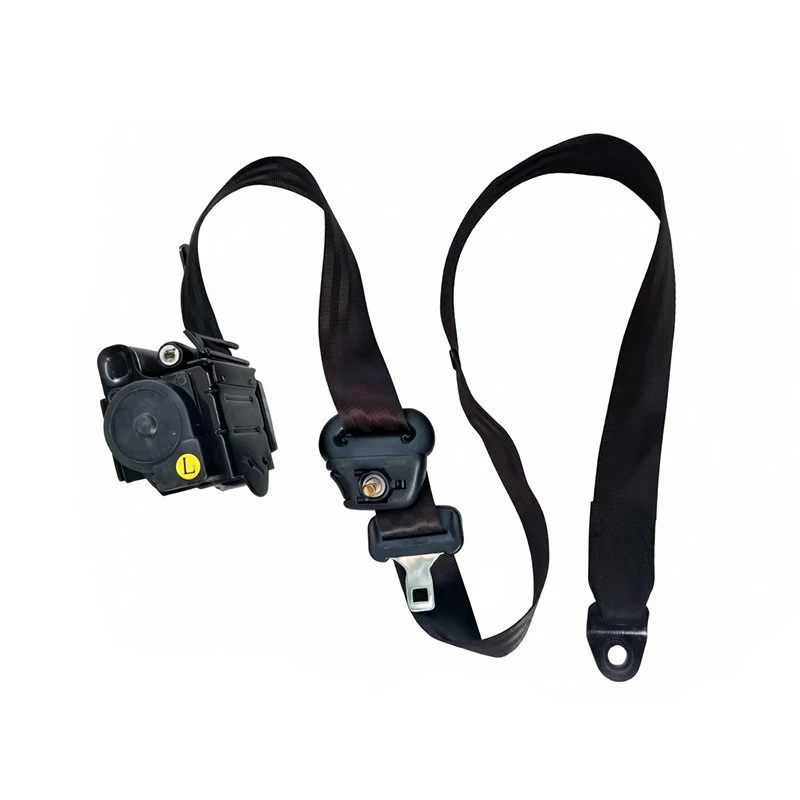
Cross seat belts, also known as three - point seat belts, are the most common type of seat belts in vehicles today. They consist of a lap belt that secures the lower body across the hips and a shoulder belt that runs diagonally across the chest. This design distributes the force of impact over a larger area of the body, reducing the risk of serious injury.
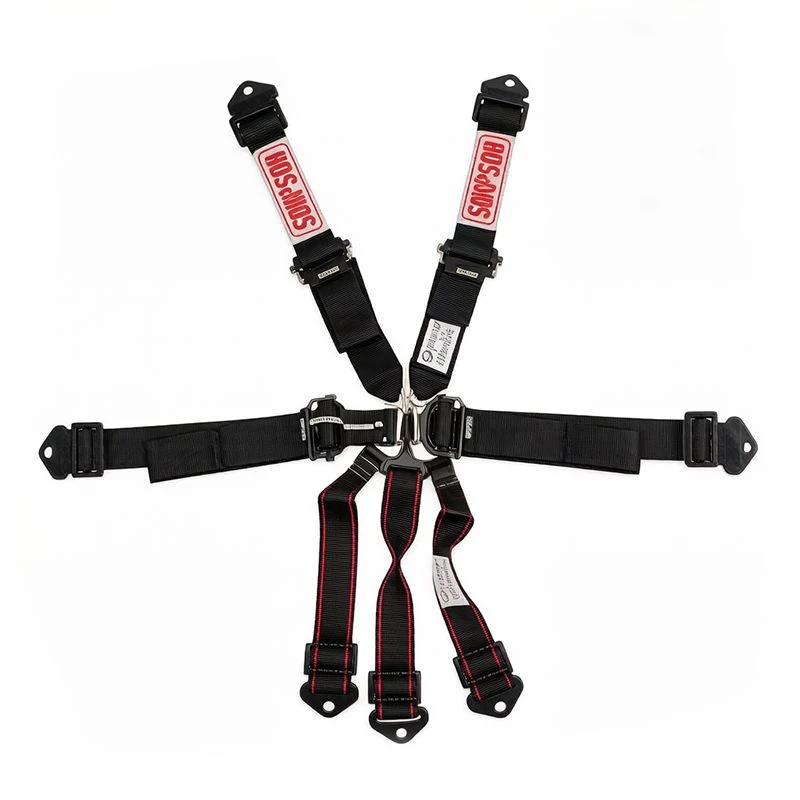
In contrast, there are other types of seat belts available in the market, such as 2 Point Lap Seat Belts, Y Shaped Seat Belt, Waist Seat Belt, 3 Seat Belt, and 7 Point Seat Belt. However, cross seat belts offer a better balance of comfort and safety for everyday use.
Interaction with Airbag Systems
One of the most significant interactions is between cross seat belts and airbag systems. Airbags are designed to deploy in the event of a collision to provide an additional cushion of protection for the driver and passengers. However, they are most effective when used in conjunction with seat belts.
When a collision occurs, the seat belt restrains the occupant, preventing them from being thrown forward too rapidly. This gives the airbag time to deploy fully. If an occupant is not wearing a seat belt, they may be thrown into the deploying airbag with too much force, which can cause serious injury. The cross seat belt helps keep the occupant in the proper position so that the airbag can work as intended, providing a softer impact surface between the person and the hard interior of the car.
Modern airbag systems are often integrated with sensors that can detect whether the seat belts are fastened. In some cases, if the seat belt is not fastened, the airbag may be programmed to deploy with less force or not at all to avoid causing more harm.
Pretensioners and Load Limiters
Cross seat belts are often equipped with pretensioners and load limiters, which are essential components for interacting with the car's safety systems. Pretensioners are designed to quickly retract the seat belt when a collision is detected. This tightens the seat belt around the occupant, reducing slack and ensuring that they are held firmly in place from the very beginning of the impact.
Pretensioners work in conjunction with the car's collision sensors. When these sensors detect a sudden deceleration, such as in a frontal crash, they send a signal to the pretensioner mechanism. The pretensioner then activates, typically using a small explosive charge or a pyrotechnic device, to rapidly wind in the seat belt webbing.
Load limiters, on the other hand, are designed to manage the force exerted on the occupant by the seat belt during a collision. Once the pretensioner has tightened the seat belt, the load limiter allows a controlled amount of the seat belt webbing to unwind. This helps to reduce the peak force on the occupant's body, minimizing the risk of internal injuries.
Electronic Stability Control (ESC)
Electronic Stability Control is a system that helps drivers maintain control of their vehicles during challenging driving conditions. It can detect when a vehicle is starting to skid or lose traction and automatically apply the brakes to individual wheels and adjust the engine power to help keep the vehicle on its intended path.
Cross seat belts interact with ESC in an indirect but important way. By keeping the driver firmly in place, the seat belt allows the driver to maintain better control of the vehicle. In a sudden maneuver where ESC is activated, the driver can more effectively operate the steering wheel, brakes, and accelerator without being thrown around in the seat. This ensures that the ESC system can work optimally to prevent accidents.
Anti - Lock Braking System (ABS)
The Anti - Lock Braking System is designed to prevent the wheels from locking up during hard braking, allowing the driver to maintain steering control. When a vehicle is braking hard, the cross seat belt keeps the driver and passengers in their seats, reducing the likelihood of them being thrown forward and interfering with the driver's ability to control the vehicle.
In a high - speed braking situation, the seat belt restrains the body, and the driver can focus on steering the vehicle to safety. The ABS system can then work efficiently to prevent skidding and help the vehicle stop in the shortest possible distance.
Importance of Regular Maintenance
To ensure that cross seat belts continue to interact effectively with the car's safety systems, regular maintenance is essential. Seat belts should be inspected for signs of wear, such as fraying or cuts in the webbing. The buckles should also be checked to ensure they are functioning properly.
If a seat belt has been involved in a significant collision, it should be replaced, even if it appears to be in good condition. This is because the internal components of the seat belt, such as the pretensioner and load limiter, may have been activated and may not work correctly in a subsequent accident.
Conclusion
Cross seat belts are a fundamental part of a vehicle's safety system. Their interaction with airbag systems, pretensioners, load limiters, ESC, and ABS is crucial for protecting the lives of drivers and passengers. As a cross seat belt supplier, we are committed to providing high - quality seat belts that meet the strictest safety standards.
If you are in the automotive industry and are looking for reliable cross seat belts, we would love to have a discussion with you. We can provide you with detailed product information and work with you to meet your specific requirements. Contact us to start a procurement discussion and take a step towards enhancing the safety of your vehicles.
References
- National Highway Traffic Safety Administration (NHTSA). Seat Belt Safety: How Seat Belts Work.
- Society of Automotive Engineers (SAE). Technical Papers on Vehicle Safety Systems.
- Insurance Institute for Highway Safety (IIHS). Research on Seat Belt Effectiveness.