

Can a cross seat belt be used in an airplane?
Hey there, fellow aviation enthusiasts and safety-conscious travelers! Today, I'm diving into a question that's been buzzing around: Can a cross seat belt be used in an airplane? As a supplier of Cross Seat Belt, I've had my fair share of inquiries on this topic, and I'm here to break it down for you.
Understanding Cross Seat Belts
First things first, let's talk about what a cross seat belt is. A cross seat belt, as the name suggests, crosses over your body in a diagonal pattern. It's designed to distribute the force of an impact more evenly across your torso, providing better restraint compared to some other types of seat belts. We also offer other types of seat belts, such as Waist Seat Belt, 1 Point Seat Belt, 7 Point Seat Belt, and Retractable 5 Point Harness. Each type has its own unique features and applications, but today, we're focusing on the cross seat belt.
Regulations and Aviation Authorities
The use of seat belts in airplanes is strictly regulated by aviation authorities around the world, such as the Federal Aviation Administration (FAA) in the United States and the European Union Aviation Safety Agency (EASA). These regulations are in place to ensure the safety of passengers and crew during all phases of flight, including takeoff, landing, and turbulence.
Currently, most commercial airlines provide standard two - point lap belts for passengers. These lap belts are designed to keep you in your seat during normal flight operations and in the event of mild turbulence. The reason airlines use these specific belts is that they have been thoroughly tested and approved for aviation use.
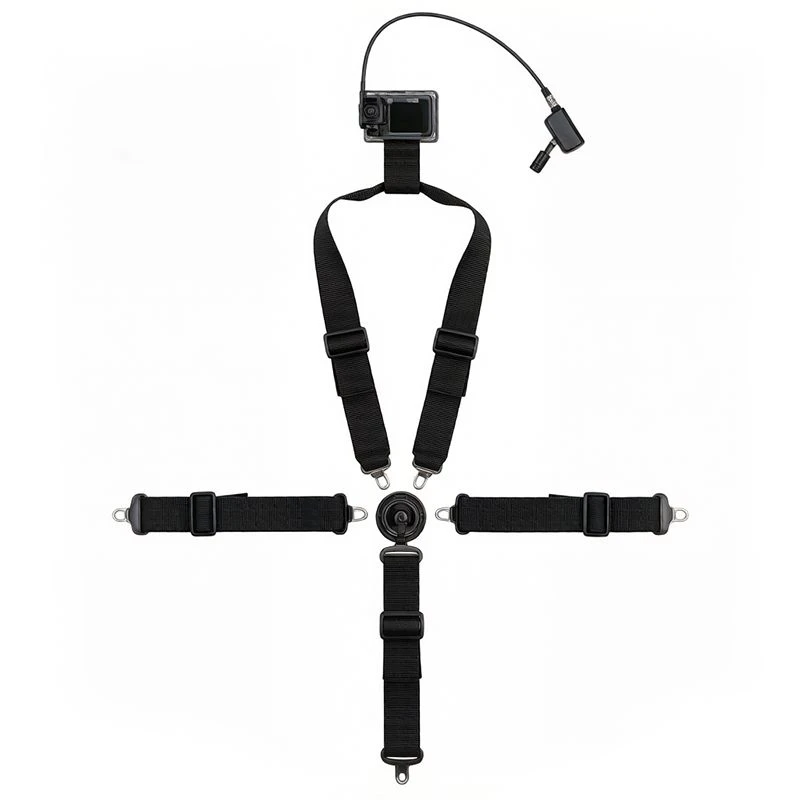
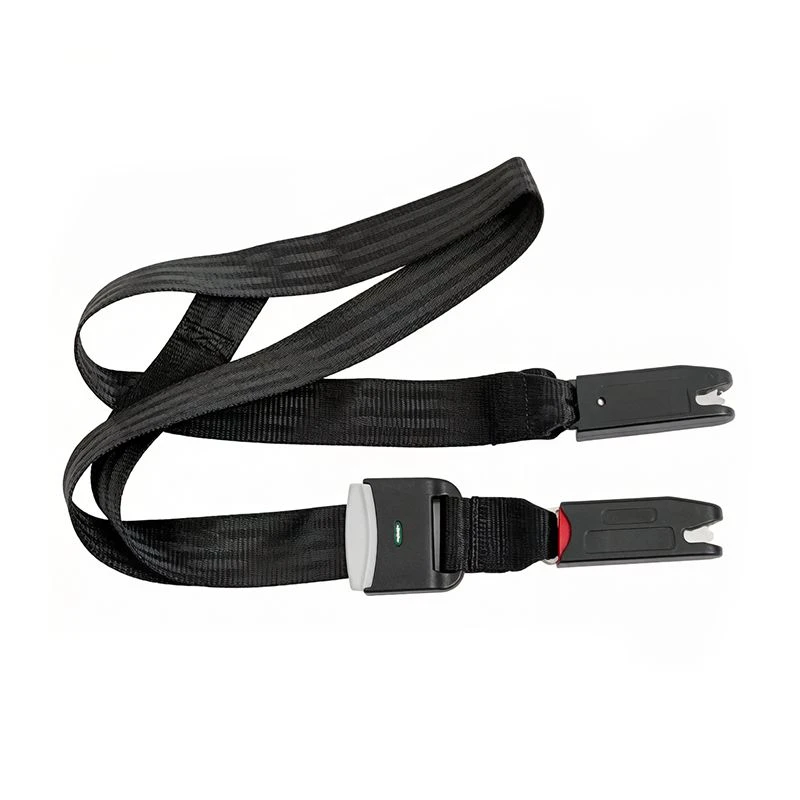
As for cross seat belts, they are not commonly used on commercial airlines. The main reason is that the existing aviation safety standards have been developed and optimized for the standard lap belts. Airlines need to comply with these standards to operate legally. Using a non - standard seat belt, like a cross seat belt, could potentially violate these regulations and put the airline at risk.
However, in some private aviation settings, the rules might be a bit more flexible. Private aircraft owners and operators have more control over the equipment they install in their planes. If they believe that a cross seat belt would provide enhanced safety for their passengers, they can explore the option. But they still have to go through a rigorous certification process with the relevant aviation authorities to ensure that the cross seat belt meets the necessary safety requirements.
Advantages of Cross Seat Belts in Aviation
If cross seat belts were to be used in airplanes, there could be some significant advantages. One of the main benefits is better restraint during high - energy impacts. In the event of a sudden stop or a severe turbulence event, a cross seat belt would hold you more firmly in your seat compared to a standard lap belt. The diagonal strap helps to prevent you from sliding forward or being thrown out of your seat, reducing the risk of serious injury.
Another advantage is improved comfort. Some people find that cross seat belts distribute the pressure more evenly across their bodies. With a lap belt, all the pressure is concentrated on the hips and lower abdomen, which can be uncomfortable during long flights. A cross seat belt spreads the load, making it more bearable for passengers.
Challenges and Considerations
Despite the potential advantages, there are several challenges to using cross seat belts in airplanes. One of the biggest issues is the cost of implementation. Airlines would need to retrofit their entire fleet of aircraft with cross seat belts, which is a massive investment. This includes not only the cost of the seat belts themselves but also the labor and equipment required to install them.
There's also the issue of compatibility with existing aircraft seating. Airplanes are designed to work with standard lap belts, and modifying the seats to accommodate cross seat belts could be a complex and time - consuming process. The new seat belts would need to be integrated with the existing seat structures and safety systems without causing any compatibility issues.
In addition, training crew and passengers on how to use cross seat belts properly would be necessary. Since most people are familiar with using lap belts, there would be a learning curve involved in using the more complex cross seat belts. Flight attendants would need to be trained to assist passengers in buckling up and ensuring that the seat belts are worn correctly.
Conclusion and Call to Action
So, can a cross seat belt be used in an airplane? Technically, it's possible, especially in private aviation with the proper certification. But for commercial airlines, it's a long way off due to the regulatory, cost, and compatibility issues.
However, the potential safety benefits of cross seat belts are undeniable. At our company, we're committed to providing high - quality Cross Seat Belt solutions for various applications. If you're interested in our products, whether for private aviation, automotive, or other uses, we'd love to hear from you. You can reach out to us to discuss your specific needs and requirements. We're here to work with you to find the best seat belt solutions for your safety and comfort.
References
- Federal Aviation Administration (FAA) regulations on seat belt use in aircraft.
- European Union Aviation Safety Agency (EASA) guidelines for aircraft safety equipment.
- Studies on the effectiveness of different types of seat belts in crash scenarios.