

What is the weight capacity of Quickfit Seatbelts?
When it comes to ensuring safety in high - performance driving environments, Quickfit Seatbelts stand out as a reliable choice. As a supplier of Quickfit Seatbelts, I'm often asked a crucial question: "What is the weight capacity of Quickfit Seatbelts?" In this blog, we'll explore this topic in depth, examining the factors that influence weight capacity and the ideal applications for these seatbelts.
Understanding Weight Capacity
Weight capacity is a vital specification for any seatbelt. It refers to the maximum amount of weight that a seatbelt can safely restrain during sudden stops or impacts. Quickfit Seatbelts are engineered with precision to meet the diverse needs of different racing scenarios, and their weight capacity is carefully calibrated to ensure optimal safety.
The weight capacity of Quickfit Seatbelts typically ranges from 150 to 350 pounds (68 - 159 kilograms). This broad range allows for a wide variety of users, from lighter - weight junior racers to heavy - built professional drivers. The specific weight capacity depends on several factors, including the type of seatbelt, its construction materials, and its intended use.
Factors Affecting Weight Capacity
1. Seatbelt Type
- Sport Seat Belts: Sport Seat Belts are designed for general high - performance driving. They usually have a moderate weight capacity, typically in the range of 180 - 250 pounds (82 - 113 kilograms). These seatbelts are commonly used in sports cars and track - day vehicles, where the driving conditions are less extreme compared to professional racing.
- Sprint Car Seat Belts: Sprint Car Seat Belts are built to withstand the high - speed impacts and intense forces experienced in sprint car racing. They often have a higher weight capacity, around 220 - 320 pounds (100 - 145 kilograms). The design and construction of these seatbelts are optimized to provide maximum restraint during the rapid acceleration and deceleration typical of sprint car events.
- Impact Seat Belts: Impact Seat Belts are specifically engineered to absorb and dissipate the energy of a high - impact collision. These seatbelts can handle a wide weight range, usually from 150 - 350 pounds (68 - 159 kilograms). Their advanced webbing materials and buckle mechanisms are designed to provide reliable restraint in the most extreme situations.
- Drag Racing Seat Belts: Drag Racing Seat Belts are tailored for the unique demands of drag racing, which involves extremely high acceleration. They typically have a weight capacity of 200 - 300 pounds (91 - 136 kilograms). The seatbelts are designed to keep the driver firmly in place during the rapid take - off and high - speed runs.
2. Construction Materials
The materials used in the construction of Quickfit Seatbelts play a significant role in determining their weight capacity. High - strength polyester webbing is a common material, known for its durability and resistance to stretching. Some seatbelts may also incorporate additional reinforcement layers or special coatings to increase their strength and performance.
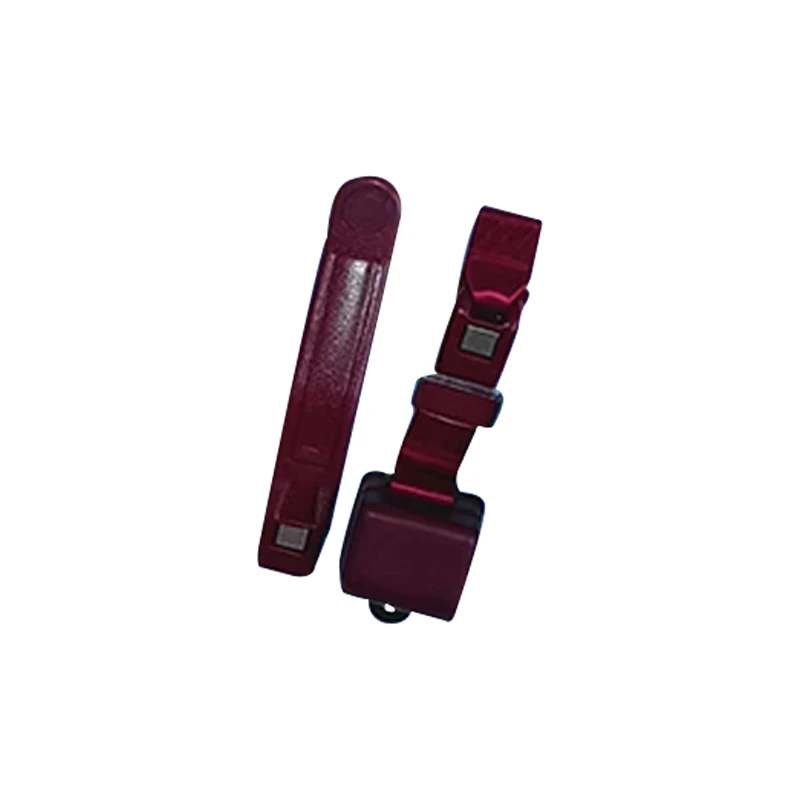
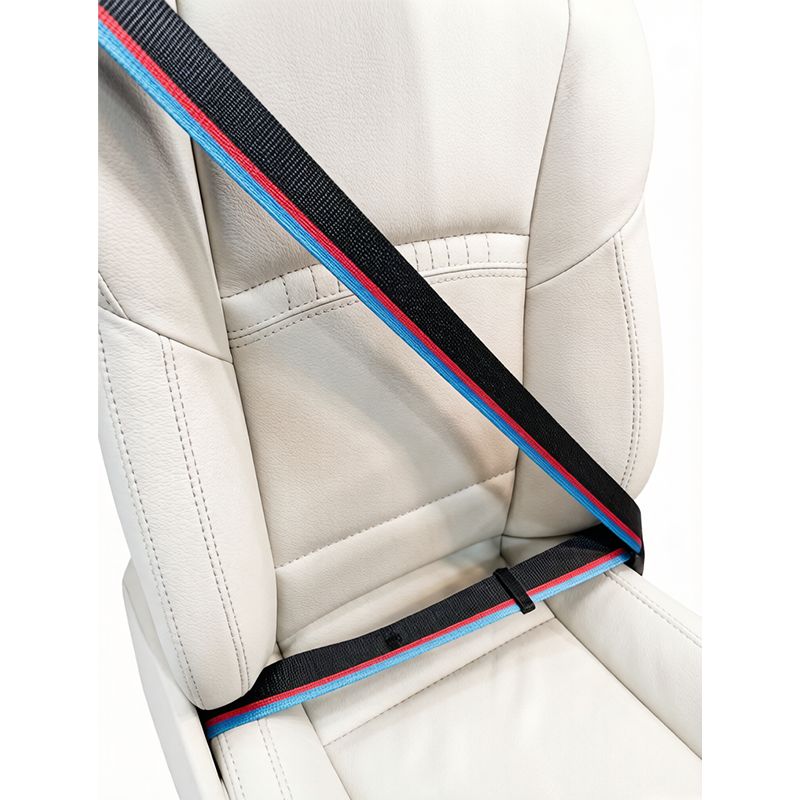
The buckles and hardware of the seatbelts are also critical. Heavy - duty metal buckles and fittings are used to ensure a secure connection and reliable operation. The quality of these components directly affects the overall weight capacity and safety of the seatbelt.
3. Intended Use
The intended use of the seatbelt also influences its weight capacity. Seatbelts designed for professional racing applications are built to higher standards and can generally handle more weight compared to those for recreational use. Professional racing involves higher speeds, more intense impacts, and stricter safety regulations, which require seatbelts with greater strength and durability.
Ideal Applications Based on Weight Capacity
For Lighter Drivers (150 - 200 pounds / 68 - 91 kilograms)
Lighter drivers, such as junior racers or those with a smaller build, can benefit from Sport Seat Belts. These seatbelts provide a comfortable and secure fit while still offering adequate restraint. The lower weight capacity is sufficient for the forces typically encountered in less extreme racing or high - performance driving situations.
For Medium - Sized Drivers (200 - 250 pounds / 91 - 113 kilograms)
Medium - sized drivers have a wide range of options. Sprint Car Seat Belts and Drag Racing Seat Belts can be suitable choices, depending on the specific type of racing. These seatbelts offer a balance between weight capacity and performance, ensuring that the driver is safely restrained during high - speed maneuvers.
For Heavier Drivers (250 - 350 pounds / 113 - 159 kilograms)
Heavier drivers should opt for Impact Seat Belts. These seatbelts are designed to handle the higher forces associated with their weight and the extreme conditions of professional racing. The higher weight capacity provides the necessary safety margin to protect the driver in the event of a collision.
Ensuring Proper Use and Safety
It's important to note that while Quickfit Seatbelts have a specified weight capacity, proper installation and use are equally crucial for safety. Seatbelts should be installed according to the manufacturer's instructions, and regular inspections should be carried out to check for any signs of wear or damage.
Drivers should also ensure that the seatbelt is adjusted correctly to fit their body. A loose seatbelt may not provide adequate restraint, while an overly tight seatbelt can cause discomfort and may even restrict the driver's movement.
Why Choose Quickfit Seatbelts
As a supplier, I can attest to the quality and reliability of Quickfit Seatbelts. These seatbelts are manufactured using the latest technology and highest - quality materials, ensuring they meet or exceed industry safety standards. The wide range of seatbelt types and weight capacities means that there is a suitable option for every driver and racing application.
Whether you're a professional racer looking for the ultimate in safety and performance or a recreational driver seeking reliable protection, Quickfit Seatbelts have you covered.
Contact for Procurement
If you're interested in purchasing Quickfit Seatbelts for your racing needs, I encourage you to reach out. We can provide detailed information on the different seatbelt types, their weight capacities, and help you choose the best option for your specific requirements. Our team is dedicated to ensuring that you get the right seatbelts to keep you safe on the track.
References
- "Automotive Seatbelt Technology: Principles and Design" - A comprehensive guide on seatbelt engineering and safety.
- "Racing Safety Standards and Regulations" - An industry - standard document outlining the requirements for racing seatbelts.
- Manufacturer's specifications for Quickfit Seatbelts.