

Can sport seat belts be used with child seats?
When it comes to ensuring the safety of passengers in vehicles, especially for children, the appropriate use of safety equipment is of paramount importance. As a supplier of Sport Seat Belts, I often encounter the question: Can sport seat belts be used with child seats? Let's delve into this topic to provide a comprehensive and scientifically - sound answer.
Understanding Sport Seat Belts
Sport seat belts, also known as racing seat belts, are designed to provide enhanced restraint in high - performance driving situations. They are engineered to offer a more secure hold on the driver or passenger, reducing the risk of injury during rapid acceleration, deceleration, or sharp turns. Sport seat belts typically come in various configurations, such as 3 - point, 4 - point, 5 - point, and even 6 - point designs.
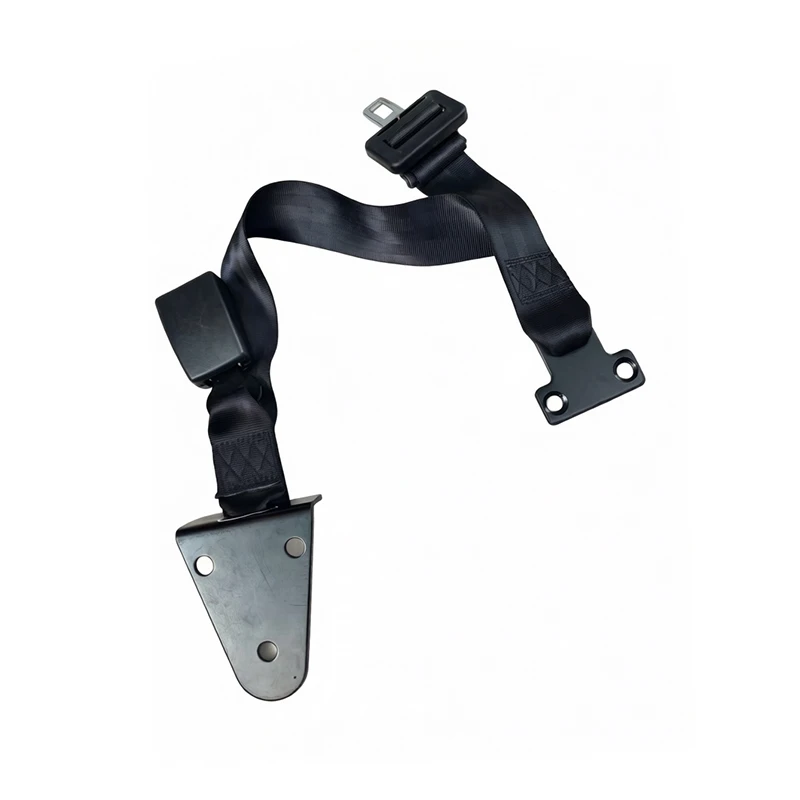
Our company offers a wide range of Sport Seat Belts to cater to different needs. The 3 Point Racing Seat Belts are a popular choice as they are similar in concept to the standard seat belts found in regular cars but with higher strength and better locking mechanisms. For more extreme racing conditions, the multi - point seat belts provide additional restraint points, ensuring the occupant is firmly held in place. We also have Quickfit Seatbelts, which are designed for easy installation and adjustment, making them a convenient option for many users.
The Function and Safety of Child Seats
Child seats are specifically designed to protect children in vehicles. They are available in different types, such as infant seats, convertible seats, and booster seats, each suitable for a specific age and weight range of children. Infant seats are rear - facing and provide maximum support for the baby's head, neck, and spine. Convertible seats can be used in both rear - facing and forward - facing positions as the child grows. Booster seats are for older children who have outgrown the harness - based seats and are used in combination with the vehicle's seat belt.
The primary function of child seats is to reduce the forces exerted on a child during a crash or sudden stop. The seat's structure absorbs some of the impact energy, and the harness system keeps the child in place, preventing them from being thrown forward or side - ways.
Compatibility Issues
The use of sport seat belts with child seats is a complex issue due to several compatibility factors.
Belt Configuration
Most child seats are designed to be used with the standard 3 - point seat belts found in regular vehicles. The geometry and the way these standard belts interact with the child seat are carefully considered during the design process. Sport seat belts, especially those with multiple points (4 - point, 5 - point, etc.), have a different configuration. The additional straps and attachment points may not align properly with the child seat, which can lead to improper installation and reduced safety.

For example, a 5 - point sport seat belt has two shoulder straps, two lap straps, and a crotch strap. When trying to use this with a child seat, the crotch strap may interfere with the child seat's structure or the child's position in the seat. This misalignment can cause the child seat to shift during a collision, increasing the risk of injury to the child.
Belt Tension and Locking
Sport seat belts are often designed to have a higher tension and more aggressive locking mechanisms compared to standard seat belts. These features are beneficial in high - speed racing scenarios but can be a problem when used with child seats.
The high tension of sport seat belts may be too strong for the child seat's structure, potentially damaging the seat. Additionally, the locking mechanisms may engage too quickly or too forcefully, making it difficult to properly adjust the belt around the child seat. This can result in an overly tight or loose fit, both of which are dangerous for the child.
Safety Standards
Child seats are required to meet specific safety standards set by regulatory bodies such as the National Highway Traffic Safety Administration (NHTSA) in the United States or the European Union's ECE R44/04 standard. These standards are based on the use of standard vehicle seat belts.
Sport seat belts may not comply with the same safety criteria as the standard seat belts used in the testing of child seats. Using sport seat belts with child seats may void the child seat's safety certification, as the seat has not been tested in combination with these non - standard belts.
Exceptions and Special Cases
In some rare cases, it might be possible to use a sport seat belt with a child seat, but this should be done with extreme caution and only after thorough research.
If the child seat manufacturer specifically states that the seat can be used with a certain type of sport seat belt, then it may be considered. However, this is very uncommon, as most child seat manufacturers design their products for use with standard seat belts.
The Importance of Following Guidelines
It cannot be stressed enough that following the guidelines provided by both the child seat manufacturer and the vehicle manufacturer is crucial. These guidelines are based on extensive research and testing to ensure the maximum safety of the child.
Using sport seat belts with child seats without proper authorization can put the child at a significantly increased risk of injury in the event of a crash. Always read the user manuals and consult with professionals if you are unsure about the compatibility of different safety equipment.
Conclusion
In conclusion, in most cases, sport seat belts should not be used with child seats due to compatibility issues, differences in belt configuration, tension, locking mechanisms, and safety standards. The safety of children in vehicles depends on the proper use of equipment that is designed and tested to work together.
As a supplier of Racing Seatbelts and Sprint Car Seat Belts, we are committed to providing high - quality products for racing enthusiasts. However, we also understand the importance of safety in all aspects of vehicle use. If you have any questions about our products or need advice on the appropriate use of seat belts, please feel free to contact us for further discussion and potential procurement. We look forward to working with you to ensure the safety and performance of your vehicles.
References
- National Highway Traffic Safety Administration (NHTSA). Vehicle safety regulations.
- European Union's ECE R44/04 standard for child seats.
- Manufacturer's user manuals for child seats and sport seat belts.