

Can seat belt tighteners be used in race cars?
Hey there! As a supplier of Seat Belt Tighteners, I often get asked if these nifty gadgets can be used in race cars. Well, let's dive right into it and find out.
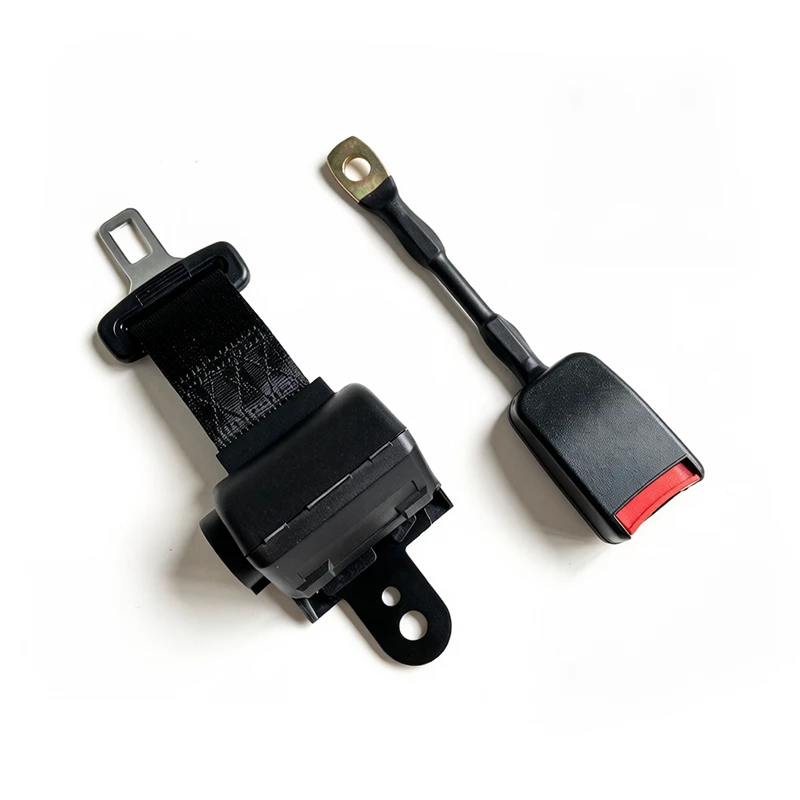
First off, let's understand what a Seat Belt Tightener does. A Seat Belt Tightener is a device designed to quickly and automatically tighten the seat belt in the event of a collision or sudden deceleration. It's like having an extra pair of hands pulling you snugly into your seat, reducing the risk of injury by minimizing the forward movement of the body. You can check out more about it here.
Now, when it comes to race cars, the environment is quite different from your everyday road vehicle. Race cars are built for speed, precision, and high - performance driving. They operate under extreme conditions, such as high - speed turns, rapid accelerations, and intense braking. So, the question is, can Seat Belt Tighteners hold up in this high - octane world?
The Benefits of Using Seat Belt Tighteners in Race Cars
One of the main advantages of using Seat Belt Tighteners in race cars is improved safety. In a race, accidents can happen in an instant. A sudden impact or a spin - out can throw the driver around if they're not properly restrained. A Seat Belt Tightener can react within milliseconds, pulling the seat belt tight and keeping the driver firmly in place. This is crucial for preventing serious injuries like head trauma, torso injuries, and limb flailing.
Another benefit is enhanced driver control. When the driver is securely fastened in their seat, they can focus more on the race and less on their position in the car. A loose seat belt can cause distractions, as the driver may feel like they're shifting around during maneuvers. With a tight - fitting seat belt, the driver can stay centered and maintain better control of the vehicle.
Challenges and Considerations
However, there are also some challenges to using Seat Belt Tighteners in race cars. Race cars often have specialized seat belts and harness systems that are designed to handle the extreme forces of racing. These systems may already have a high level of pre - tensioning built - in. Adding a Seat Belt Tightener might require modifications to the existing seat belt setup, which could affect the integrity and performance of the entire system.
The high - speed and high - vibration environment of race cars can also put additional stress on the Seat Belt Tightener. The device needs to be able to withstand constant jolts, shakes, and vibrations without malfunctioning. If the tightener fails during a race, it could not only be useless in an emergency but could also potentially cause complications.
Compatibility with Race Car Safety Systems
Race cars are equipped with a variety of safety systems, such as roll cages, airbags (in some cases), and specialized seating. The Seat Belt Tightener needs to be compatible with these other safety features. For example, if a race car has a complex airbag deployment system, the operation of the Seat Belt Tightener should not interfere with it.
When considering using a Seat Belt Tightener, it's also important to look at how it works with the Seat Belt Assembly Parts. The tightener needs to be able to connect seamlessly with the rest of the seat belt components. You can learn more about Seat Belt Assembly Parts on our website.
Technical Requirements and Standards
Race cars are subject to strict technical requirements and safety standards. Any modifications, including the addition of a Seat Belt Tightener, need to comply with these regulations. For example, some racing organizations have specific rules about the strength, construction, and performance of seat belt systems. The Seat Belt Tightener needs to meet these criteria to be allowed in the race.
Real - World Applications
There are some instances where Seat Belt Tighteners have been successfully used in race cars. In lower - level racing series where the regulations are a bit more flexible, some drivers have experimented with adding Seat Belt Tighteners to their safety setup. These early adopters have reported positive experiences, such as feeling more secure during high - speed maneuvers.
However, in professional racing, the use of Seat Belt Tighteners is still relatively rare. Most teams rely on the tried - and - true seat belt and harness systems that have been developed and refined over years of racing experience.
The Role of Other Seat Belt Accessories
In addition to Seat Belt Tighteners, there are other seat belt accessories that are commonly used in race cars. For example, the Seat Belt Buckle Assembly plays a crucial role in ensuring a secure fit. A reliable buckle that can withstand the forces of racing is essential.
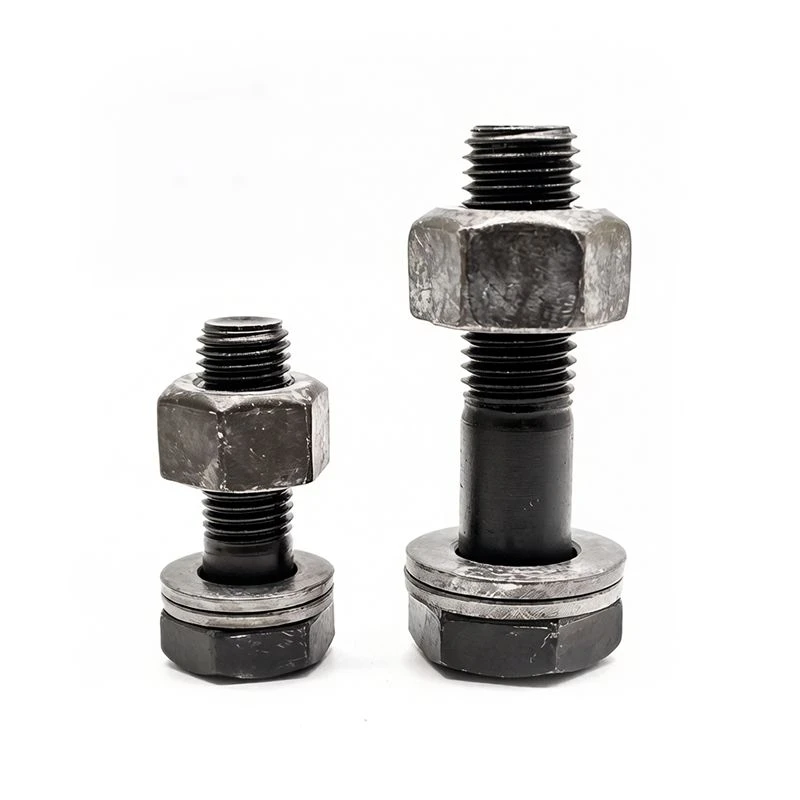
Another important accessory is the Special Imperial - thread Seatbelt Screw. These screws are designed to provide a strong and secure connection between the seat belt components, ensuring that the entire system holds together under extreme conditions.
Future Prospects
As technology advances, we may see more widespread use of Seat Belt Tighteners in race cars. Manufacturers are constantly working on improving the design and performance of these devices, making them more robust and reliable. In the future, we could see Seat Belt Tighteners that are specifically designed for the unique demands of racing, with features like faster reaction times and better resistance to high - speed vibrations.
Contact for Purchase and Consultation
If you're a race car driver, team owner, or someone in the racing industry and you're interested in learning more about Seat Belt Tighteners or other seat belt accessories, we're here to help. Whether you have questions about compatibility, installation, or performance, our team of experts can provide you with the information you need. We're always open to discussing your specific requirements and finding the best solutions for your racing needs. So, don't hesitate to reach out and start a conversation about how we can enhance your race car's safety systems.
References
- "Automotive Safety Systems Handbook"
- Various racing regulations and technical documents from major racing organizations.