

How do I install Quickfit Seatbelts in a rear - facing seat?
Hey there, car enthusiasts! As a supplier of Quickfit Seatbelts, I'm super stoked to walk you through how to install these bad - boys in a rear - facing seat. Whether you're into Racing Seatbelts for the track, Street Rod Seat Belts for that classic look, Sprint Car Seat Belts for high - octane sprints, Sports Car Seat Belt for your sports car adventures, or Adr Approved Seat Belts for compliance, this guide is for you.
Getting Prepared
Before we jump into the installation process, it's crucial to gather all the necessary tools and materials. You'll need a socket set (different sizes to fit the bolts of your car seat and the seatbelt fittings), a torque wrench to ensure the bolts are tightened to the correct specifications, a flat - head and Phillips - head screwdriver, and a drill if you have to make new holes for the seatbelt mounting points.
Also, make sure you've got the right Quickfit Seatbelt kit for your rear - facing seat. Double - check the compatibility with your car model. These seatbelts are designed to be a snug fit, but it's better to be safe than sorry. You don't want to end up with a seatbelt that's either too short or too long.
Step 1: Remove the Old Seatbelt (if applicable)
If your rear - facing seat already has a seatbelt installed, the first step is to take it out. Start by unbolting the seatbelt from the car body. Usually, you'll find bolts at the base of the seat, along the floor, and sometimes even on the side of the car's interior. Use your socket set to loosen and remove these bolts.
Once the bolts are out, carefully pull the old seatbelt out from its mounting points. Be gentle as you might need to disconnect some clips or connectors along the way. Some seatbelts are attached to the car's electrical system for safety features like pretensioners, so make sure to disconnect any electrical connections properly.
Step 2: Inspect the Mounting Points
After removing the old seatbelt, take a good look at the mounting points. Check for any signs of damage, rust, or wear. If there are any issues, you'll need to address them before installing the new Quickfit Seatbelt. For minor rust, you can use a wire brush to clean it off. If the mounting points are severely damaged, you might need to consult a professional or consider reinforcing the area.
Make sure the mounting holes are clean and free of debris. If there are any burrs or rough edges, use a file to smooth them out. This will ensure a proper fit for the new seatbelt hardware.
Step 3: Prepare the Quickfit Seatbelt
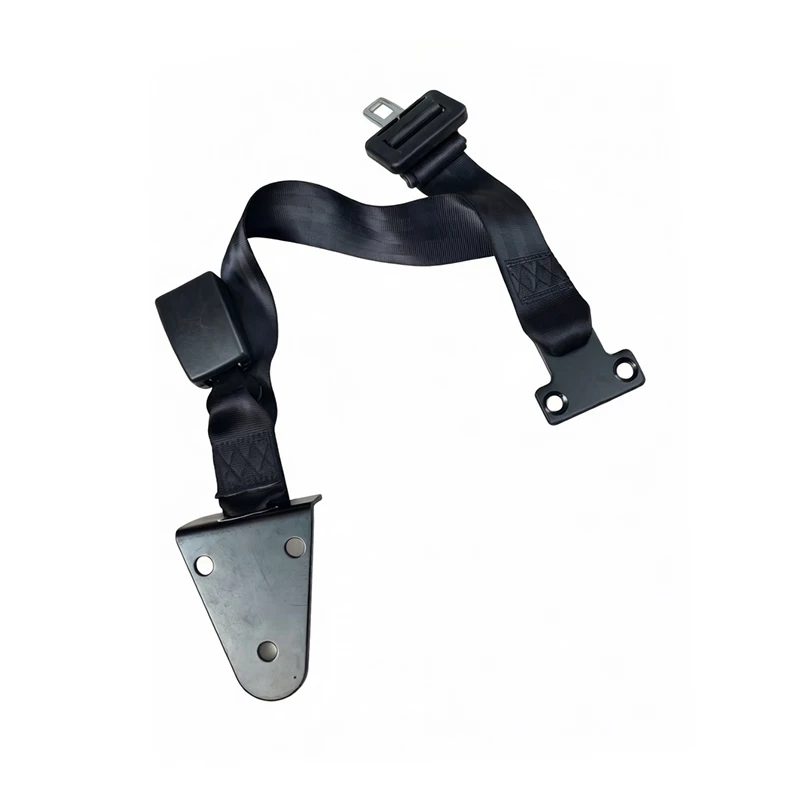
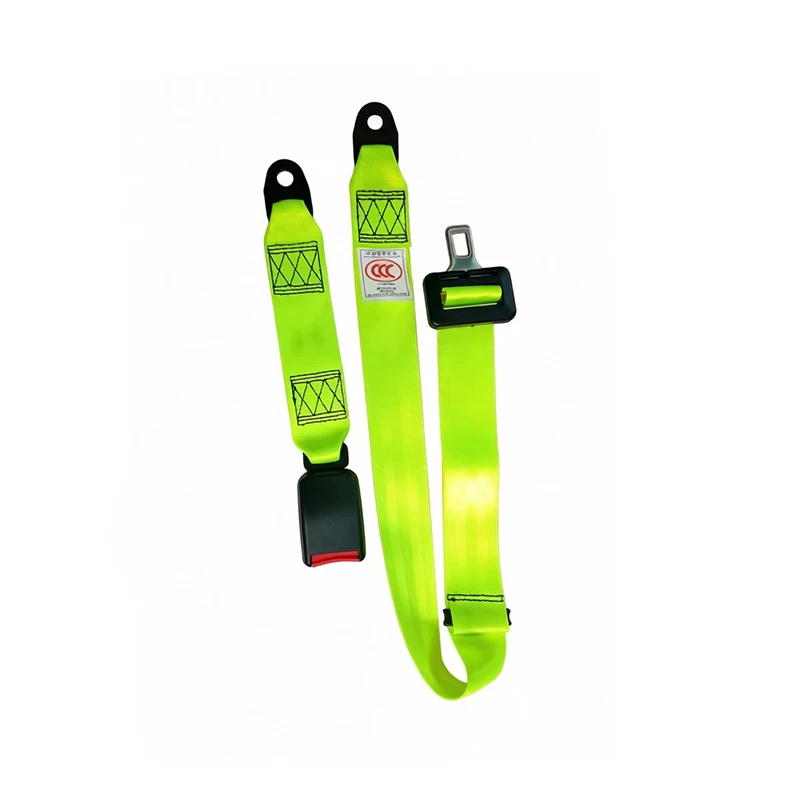
Now, it's time to get your Quickfit Seatbelt ready. Unpack the seatbelt kit and lay out all the components. You should have the seatbelt webbing, buckle, mounting brackets, and any necessary hardware like bolts and nuts.
Inspect the seatbelt webbing for any signs of damage. Check the stitching and the overall condition. If you notice any issues, contact us right away. We stand by the quality of our Quickfit Seatbelts and will make sure you get a replacement if needed.
Step 4: Install the Mounting Brackets
The next step is to install the mounting brackets. Start by aligning the brackets with the mounting points on the rear - facing seat. You might need to use your drill to make new holes if the existing ones don't match the bracket's design. But be extra careful when drilling, as you don't want to damage the car's interior or the seat structure.
Once the brackets are aligned, use the bolts and nuts provided in the kit to secure them. Use your torque wrench to tighten the bolts to the recommended torque settings. This is super important for safety. If the bolts are too loose, the seatbelt might not hold properly in an accident. If they're too tight, you could strip the threads or damage the mounting points.
Step 5: Attach the Seatbelt Webbing
With the mounting brackets in place, it's time to attach the seatbelt webbing. Start by feeding the webbing through the buckle. Make sure the webbing is smooth and free of twists. Then, attach the end of the webbing to the mounting bracket. There are usually slots or loops on the bracket where the webbing can be secured.
Some seatbelt kits might require you to use special fasteners or clips to keep the webbing in place. Follow the instructions in the kit carefully to ensure a proper attachment. Double - check that the webbing is securely fastened and that there's no slack or looseness.
Step 6: Test the Seatbelt
Once the seatbelt is installed, it's time to test it. Sit in the rear - facing seat and buckle up. Pull on the seatbelt to make sure it locks properly. Try different positions and angles to ensure the seatbelt is comfortable and provides adequate restraint.
Check the movement of the seatbelt. It should retract smoothly when not in use and lock when pulled forcefully. If you notice any issues like the seatbelt not locking or retracting properly, go back and check your installation. Make sure all the connections are secure and that the webbing is not tangled.
Step 7: Final Checks
Before you hit the road, do a final inspection. Make sure all the bolts are tightened, the seatbelt webbing is in good condition, and the buckle is working correctly. Check for any loose parts or exposed wires.
It's also a good idea to consult your car's owner's manual to make sure the installation of the Quickfit Seatbelt complies with the manufacturer's safety guidelines. Some cars have specific requirements for seatbelt installations, especially when it comes to rear - facing seats.
Why Quickfit Seatbelts?
There are plenty of reasons to choose Quickfit Seatbelts. Our seatbelts are made from high - quality materials that are built to last. They offer excellent safety and comfort, whether you're driving on the street or on the track.
Our range of seatbelts includes Racing Seatbelts, Street Rod Seat Belts, Sprint Car Seat Belts, Sports Car Seat Belt, and Adr Approved Seat Belts. So, no matter what your car type or driving needs are, we've got you covered.
Let's Connect
If you're interested in purchasing Quickfit Seatbelts for your rear - facing seat or any other seats in your car, we'd love to hear from you. Whether you have questions about installation, compatibility, or just want to learn more about our products, feel free to reach out. We're here to provide you with the best seatbelt solutions and ensure your safety on the road.
References
- General automotive safety guidelines from industry standards.
- Car owner's manuals for specific vehicle models.
- Quickfit Seatbelt product manuals.