

How do I dispose of a worn - out forklift seatbelt?
Disposing of a worn-out forklift seatbelt is a task that requires careful consideration, both from an environmental and safety perspective. As a supplier of Forklift Seatbelts, I understand the importance of proper disposal and the impact it can have on the industry and the environment. In this blog post, I'll share some insights on how to dispose of a worn-out forklift seatbelt responsibly.
Why Proper Disposal Matters
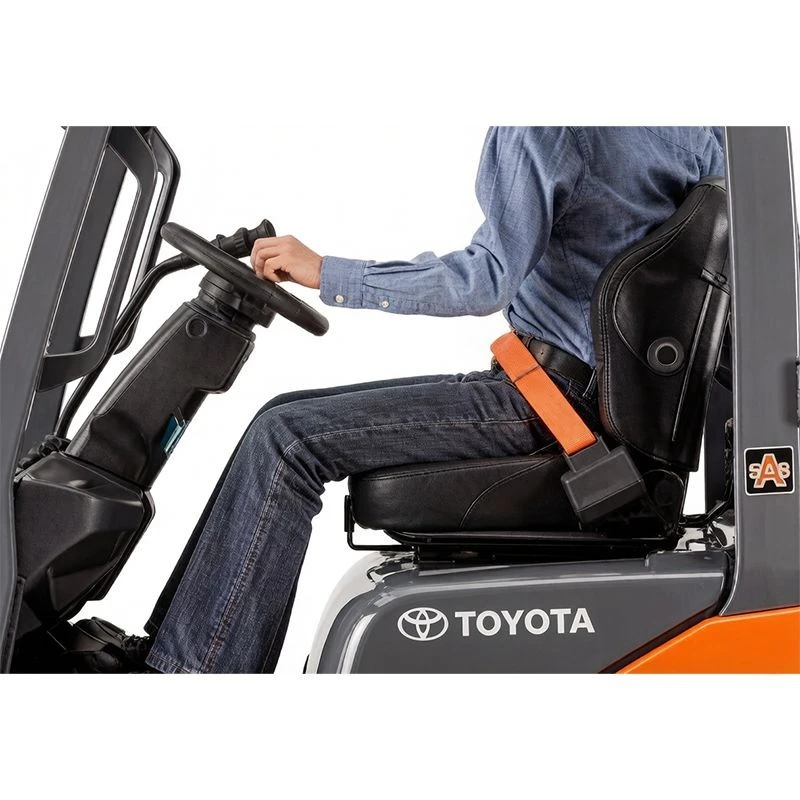
First and foremost, it's crucial to recognize why proper disposal of forklift seatbelts is essential. Forklift seatbelts are safety equipment designed to protect operators in the event of an accident. When they become worn out, their effectiveness is compromised, posing a significant risk to the user. Moreover, improper disposal can lead to environmental pollution. Seatbelts are typically made of synthetic materials such as polyester and nylon, which do not biodegrade easily. If these materials end up in landfills, they can persist for hundreds of years, contributing to the growing problem of waste accumulation.
Assessing the Condition of the Seatbelt
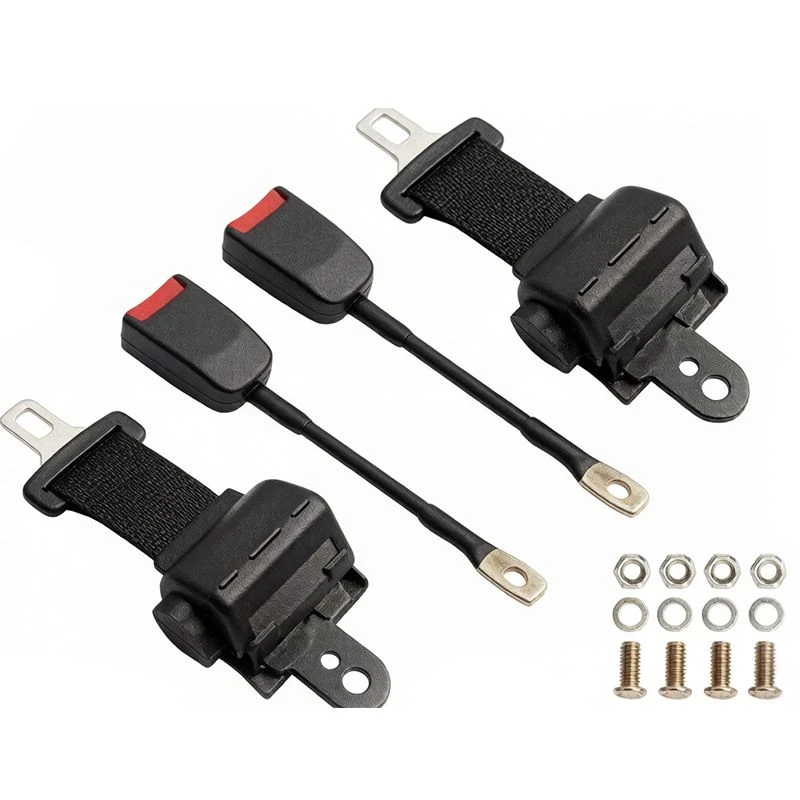
Before disposing of a forklift seatbelt, it's important to assess its condition thoroughly. Look for signs of wear and tear, such as fraying, cuts, or damage to the buckle or retractor. If the seatbelt shows any of these signs, it should be replaced immediately. In some cases, minor damage can be repaired, but it's always best to err on the side of caution and replace the seatbelt if there's any doubt about its integrity.
Recycling Options
One of the most environmentally friendly ways to dispose of a worn-out forklift seatbelt is through recycling. Many recycling facilities accept synthetic materials like those used in seatbelts. However, it's important to note that not all recycling centers are equipped to handle seatbelt recycling. To find a recycling facility near you that accepts forklift seatbelts, you can start by contacting your local waste management department or searching online for recycling services in your area.
Some seatbelt manufacturers and suppliers also offer recycling programs. As a Forklift Seatbelts supplier, we are committed to promoting sustainable practices and may be able to assist you in recycling your worn-out seatbelts. Reach out to us to inquire about our recycling initiatives and how you can participate.
Donation and Reuse
If the seatbelt is still in relatively good condition but no longer suitable for use in a forklift, consider donating it for reuse. There may be organizations or individuals who can make use of the seatbelt for other purposes. For example, seatbelts can be repurposed for use in Universal Golf Cart Seat Belts or even Fire Truck Seat Belts in some cases. Check with local community groups, non - profits, or auto clubs to see if they have a need for the seatbelt.
Landfill Disposal as a Last Resort
If recycling or donation is not an option, landfill disposal may be the only choice. However, this should be a last resort due to the environmental impact. Before disposing of the seatbelt in a landfill, it's important to check local regulations. Some areas have specific requirements for disposing of synthetic materials like seatbelts. Make sure to follow all applicable rules to avoid fines or penalties.
Best Practices for Disposal
When disposing of a forklift seatbelt, whether through recycling, donation, or landfill disposal, there are some best practices to follow:
- Remove All Attachments: Before disposal, remove any metal buckles, retractors, or other attachments from the seatbelt. These components can often be recycled separately.
- Clean the Seatbelt: If possible, clean the seatbelt before disposing of it. This can help prevent the spread of dirt and contaminants.
- Document the Disposal: Keep a record of when and how you disposed of the seatbelt. This documentation can be useful for safety audits and environmental compliance.
Importance of Regular Seatbelt Inspections
To minimize the need for frequent disposal of forklift seatbelts, regular inspections are essential. Establish a maintenance schedule to check the seatbelts on your forklifts at least once a month. During these inspections, look for signs of wear and tear, check the functionality of the buckle and retractor, and ensure that the seatbelt is properly installed.
Our Role as a Supplier
As a Forklift Seatbelts supplier, we are not only committed to providing high - quality seatbelts but also to promoting responsible disposal practices. We offer a wide range of seatbelts designed to meet the highest safety standards, ensuring that your forklift operators are well - protected.
In addition to supplying seatbelts, we can provide guidance on proper seatbelt maintenance and disposal. Our team of experts is available to answer any questions you may have about seatbelt safety and environmental responsibility. Whether you need advice on choosing the right seatbelt for your forklift or information on how to dispose of a worn - out one, we're here to help.
Encouraging Responsible Procurement
When it comes to procuring forklift seatbelts, it's important to choose a supplier that shares your commitment to quality and sustainability. By working with a reputable supplier, you can ensure that the seatbelts you purchase are not only safe and reliable but also environmentally friendly.
We invite you to explore our extensive range of Forklift Seatbelts and discover how we can meet your specific needs. Our products are designed to be durable, comfortable, and easy to install, providing you with peace of mind knowing that your forklift operators are protected.
Contact Us for Procurement and Consultation
If you're in the market for new forklift seatbelts or have questions about the disposal of worn - out ones, we encourage you to contact us. Our sales team is ready to assist you with your procurement needs, providing you with detailed product information and competitive pricing.
We believe that by working together, we can make a positive impact on safety and the environment. Let's ensure that your forklift operations are not only efficient but also sustainable.
References
- Occupational Safety and Health Administration (OSHA). Forklift Safety Standards.
- Environmental Protection Agency (EPA). Recycling Guidelines for Synthetic Materials.
- Industry Best Practices for Forklift Seatbelt Maintenance and Disposal.