

How do racing seatbelts perform in head - on collisions?
Hey there, racing enthusiasts! As a supplier of top - notch racing seatbelts, I get tons of questions from racers, mechanics, and fans about how these seatbelts hold up in head - on collisions. Let's dive right into it.
First off, we all know that head - on collisions are some of the most dangerous situations on the racetrack. The forces involved are insane, and that's where a good set of racing seatbelts comes in as a lifesaver.
Racing seatbelts are designed differently from regular car seatbelts. The primary goal of regular seatbelts in your daily driver is to restrain you in a relatively low - impact accident. But in racing, we're dealing with much higher speeds and more intense impacts.
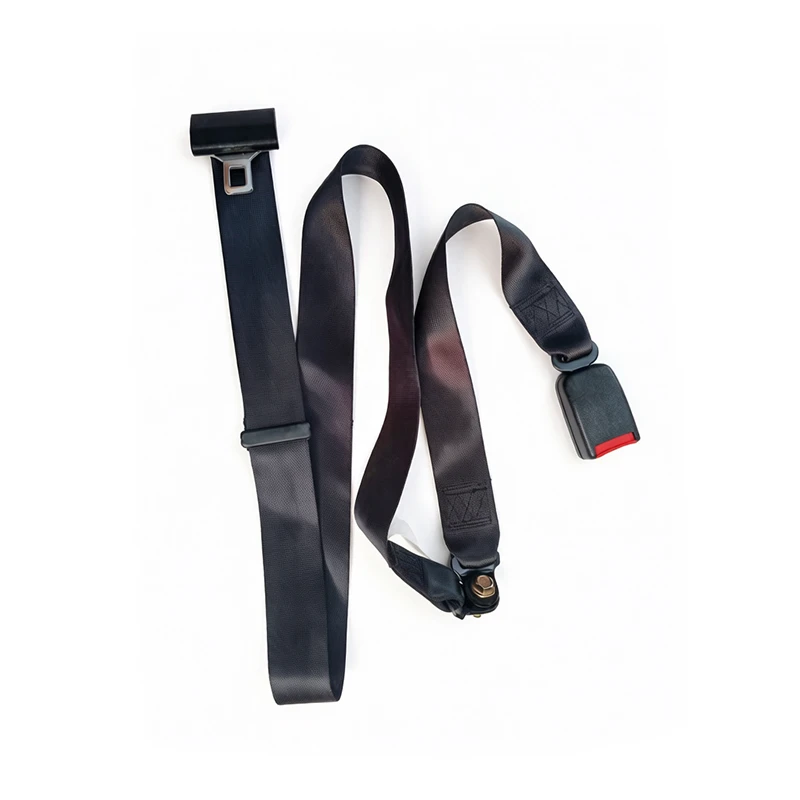
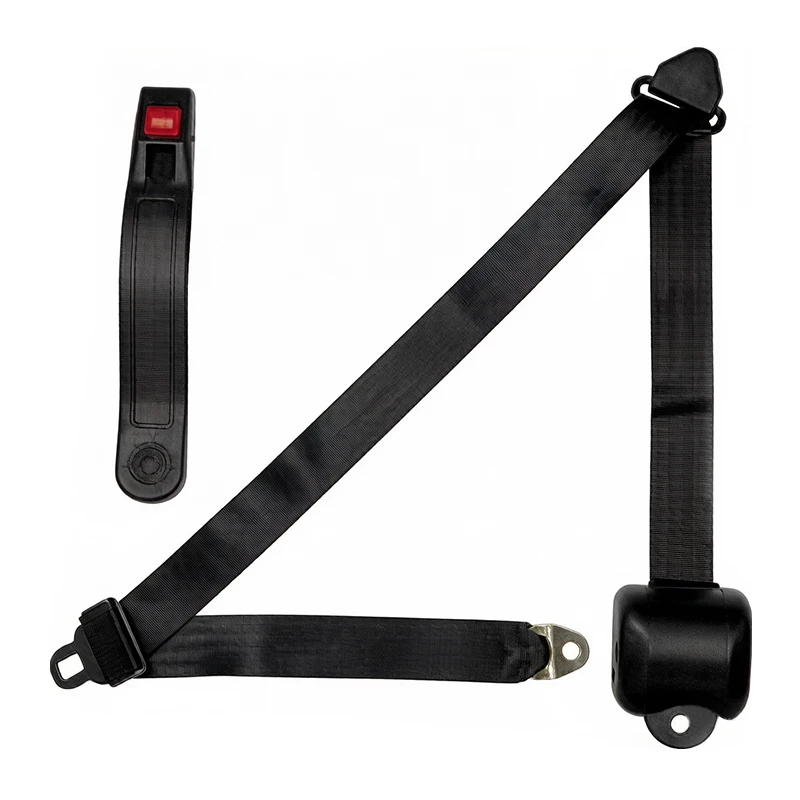
One of the key features of racing seatbelts is their multiple points of attachment. For example, 4 Point Racing Seat Belts have four connection points. This setup distributes the force of a head - on collision over a larger area of the body. Instead of all the shock focusing on a single point, like in a basic two - point seatbelt, the load is spread across the shoulders and hips. This significantly reduces the risk of serious injury, such as rib fractures or spinal damage.
Let's talk about the materials used. Racing seatbelts are typically made from high - strength nylon webbing. This stuff is tough as nails. It can withstand a huge amount of tension without ripping or tearing. In a head - on collision, when the car suddenly stops, the seatbelt is the only thing between the driver and flying forward. The strong nylon webbing can hold up against the massive forces generated during the impact.
Moreover, the buckles and hardware on racing seatbelts are engineered to be super reliable. They're made from high - grade metals, like stainless steel, that won't fail under stress. In a high - speed head - on crash, you can't afford to have a buckle pop open. Our seatbelts are rigorously tested to ensure that the buckles stay securely fastened, even under extreme conditions.
Now, let's look at different types of racing seatbelts and how they perform in head - on collisions.
Sprint Car Seat Belts are specifically designed for sprint cars, which are known for their high - speed, short - track races. These seatbelts need to be able to handle the intense acceleration and deceleration forces that sprint cars experience. In a head - on collision, sprint car seatbelts keep the driver firmly in place. They have a snug fit and are adjustable to ensure maximum comfort and safety. The multiple - point design helps to manage the forces generated when the sprint car slams into an object.
Street Rod Seat Belts are a bit different. Street rods are often modified classic cars that are used for both street driving and occasional racing. These seatbelts need to be both stylish and functional. In a head - on collision on the street or at a track, street rod seatbelts provide the necessary restraint. They're designed to blend in with the aesthetics of the car while still offering high - level protection.
Quickfit Seatbelts are a great option for those who want a fast and easy - to - install seatbelt solution. They're designed to fit a wide range of vehicles quickly. In a head - on collision, the quickfit design doesn't sacrifice safety. The same high - quality materials and engineering principles apply. These seatbelts can be adjusted to fit the driver perfectly, and they'll keep you locked in place when the going gets tough.
Adr Approved Seat Belts meet certain safety standards, which means they're tested and proven to perform well in various crash scenarios, including head - on collisions. These seatbelts give you an extra level of confidence knowing that they've passed strict safety regulations. The approval process ensures that the seatbelts are durable, reliable, and effective in protecting the driver.
But it's not just about the seatbelt itself. Proper installation is crucial. A poorly installed seatbelt can be as good as no seatbelt at all in a head - on collision. The seatbelt needs to be attached securely to the vehicle's frame. The mounting points should be strong enough to handle the impact forces. And the seatbelt should be adjusted correctly to fit the driver. A loose seatbelt won't provide adequate restraint, while an overly tight one can cause discomfort and even restrict the driver's movement.
In addition to installation, regular maintenance of racing seatbelts is vital. Over time, the webbing can wear out, especially if it's exposed to sunlight, heat, or chemicals. The buckles and hardware can also corrode or become loose. By inspecting your seatbelts regularly, you can catch any potential issues before they become a problem. Replace any worn - out parts immediately to ensure that your seatbelt will perform optimally in a head - on collision.
To sum it all up, racing seatbelts are a crucial safety component in racing cars. In head - on collisions, they work by distributing forces, using high - strength materials, and having reliable buckles and hardware. Different types of racing seatbelts, like sprint car, street rod, quickfit, and ADR - approved seatbelts, each have their own features but all aim to keep the driver safe.
If you're in the market for high - quality racing seatbelts, we've got you covered. Our seatbelts are designed and tested to meet the highest safety standards. Whether you're a professional racer or just a weekend warrior, we have the right seatbelt for your needs. Don't hesitate to reach out if you have any questions or want to place an order. Let's work together to keep you safe on the track!
References
- Common knowledge in the racing safety industry
- Research on seatbelt design and performance in high - speed collisions